By the time Indian Trail wakes up, a donut shop's hardest work is already half done. The 5 a.m. donut on the counter began as flour and yeast hours earlier, in a kitchen running a sequence practiced enough to look calm: mix, proof, cut, proof again, fry, glaze, fill, and fill the case again. This is how that morning actually runs, and what a customer can do with the knowledge, from timing a visit to judging freshness at a glance. At The Donut House, that sequence runs the same way most mornings.
The sequence starts in the dark
Yeast dough waits for no one. The first task of the morning, often well before five, is dough that was mixed to be ready in stages, because a single giant batch would overproof before the last of it could be fried. Bakers stagger batches so fresh rings come off the fryer in waves. While dough proofs in a warm spot, the fryer comes up to temperature, glazes are mixed, fillings are loaded, and coffee starts, all in parallel, all timed against the proofing clock.
Cutting is quick, skilled work. Rounds are rolled, cut, and set to proof a second time, the step that gives a yeast donut its final puff. Underproofed rings fry up small and dense. Overproofed rings drink oil and go greasy. The window between is where experience lives, and it shifts with the weather: a humid Piedmont summer morning proofs dough noticeably faster than a cold January one.
- Dough check: confirm the first batch has risen properly before rolling, adjusting for a warm or cold kitchen.
- Fryer to temperature: bring oil to the 350 to 375 degree range and hold it there before the first ring goes in.
- Cut and proof: roll, cut rings and holes, and let them proof until puffy but not fragile.
- Fry in batches: cook until golden on the first side, flip once, and drain briefly so the crust sets.
- Glaze warm: dip yeast donuts while warm so the glaze sets in a thin, crackly shell as they cool.
- Finish and fill: frost, sugar, and fill the cooled donuts, then move them to the case in frying order.
- Repeat in waves: start the next proof as the case sells down, rather than frying the whole day at dawn.
What a customer can do with this
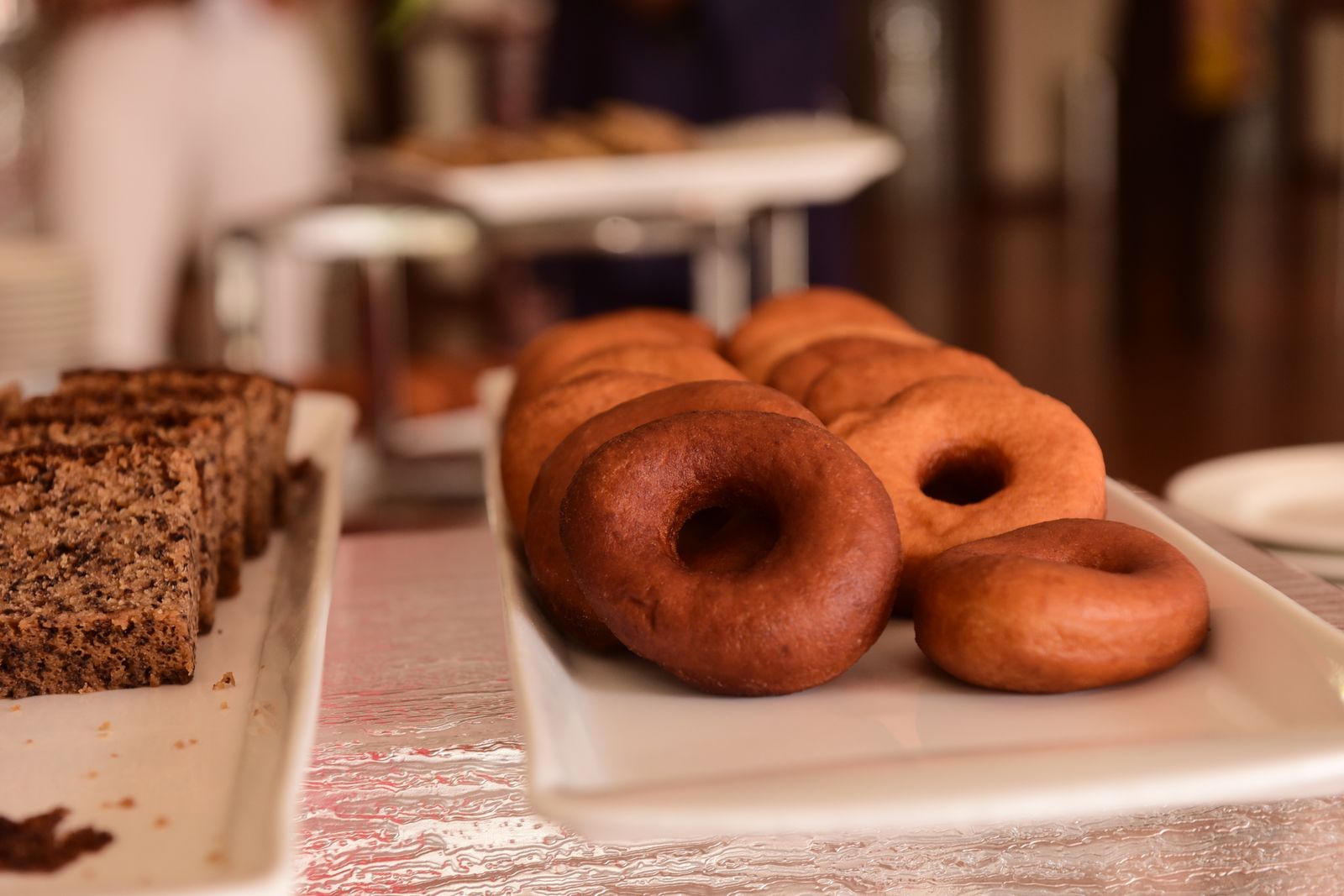
Time your visit to the waves. Opening time brings the fullest case and the classic glazed at their peak, still faintly warm if you are lucky. A mid-morning visit often catches a second fry, which can be fresher than the last of the first batch. Asking what came off the fryer most recently is a fair question with a real answer, and shops that fry in batches will tell you gladly.
At home, treat a donut like the fresh bread it is. Eat yeast donuts the day they were fried, store leftovers airtight at room temperature rather than in the fridge, and revive a next-day donut with a few seconds in the microwave or a short rest in a low oven. Glaze will soften, crumb will loosen, and the result is honest day-old, which is a different and lesser pleasure than fresh, and still worth eating.
Where the professional line sits
Home frying is possible and people do it well, but the shop's advantage is rhythm and volume: proofing space, a fryer that holds temperature across dozens of batches, and hands that have flipped ten thousand rings. The home cook's version of this morning works best small: one batch, cake-style batter for forgiveness, and eat them standing at the counter while they are hot, because that first hour is the whole point.
Small signs of a well-run morning
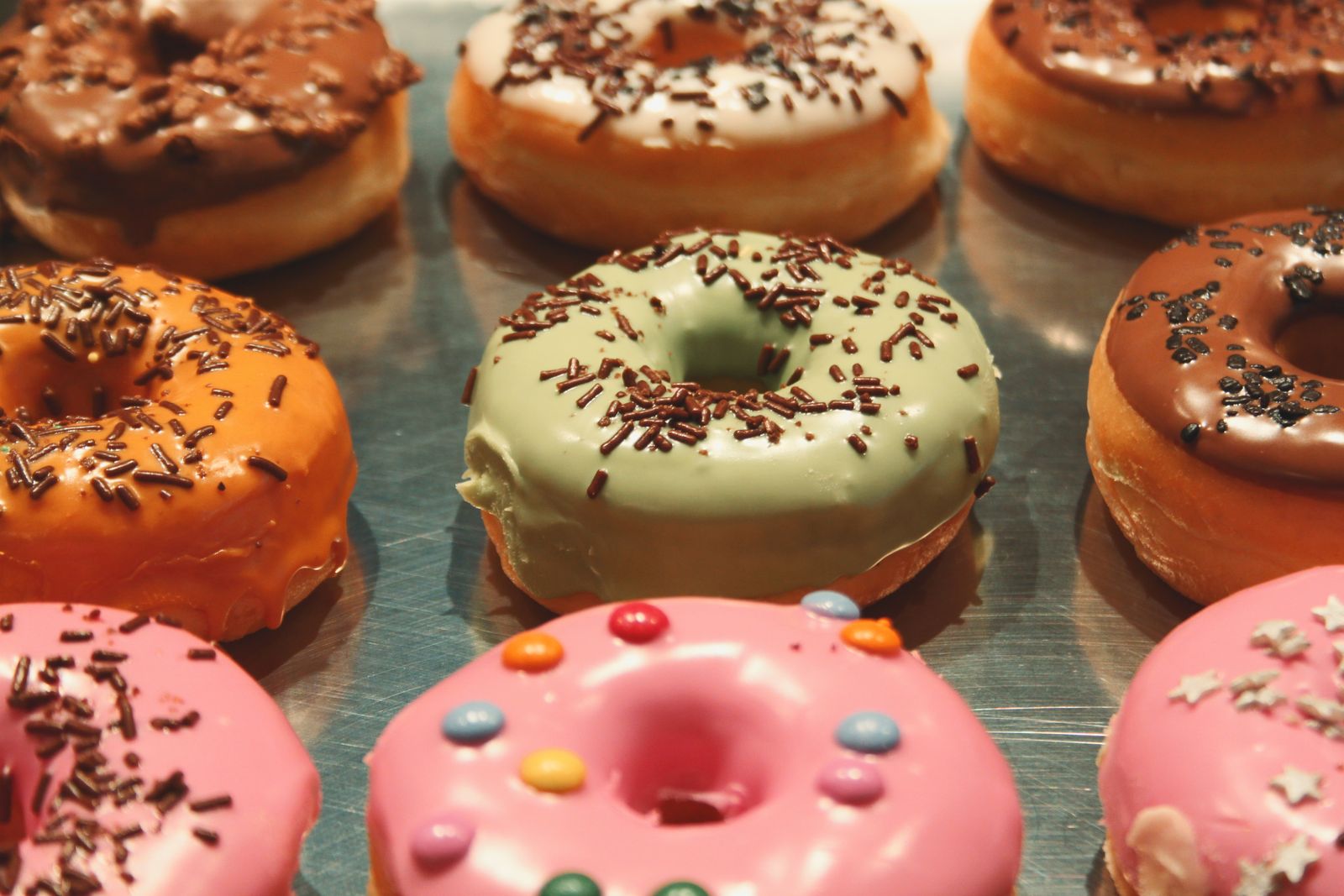
Customers can read a shop's morning without seeing the kitchen. Glaze that is set but still glossy, rather than sweating or cracked dry, means donuts were dipped at the right temperature and not long ago. A case that is full but not overflowing suggests batches sized to demand instead of a single dawn fry meant to last all day. Staff who can answer what is frying next, and when, are telling you the waves are real. None of these signs requires expertise to spot. They are the visible edge of the same sequence, and once you have seen a morning run well, the difference at a shop where it runs poorly is obvious within a minute of walking in.
Common questions
What time are donuts freshest?
At opening, and again whenever a new batch comes off the fryer mid-morning. Ask what fried most recently rather than assuming the whole case is the same age.
Why do shops run out of some donuts by midday?
Batches are sized to sell through while fresh. Frying a full day's supply at dawn would leave afternoon donuts stale, so popular flavors can sell out.
Can I reheat a glazed donut without ruining the glaze?
A few seconds in the microwave softens the crumb and melts the glaze slightly. It will not be dawn-fresh, but it is the best revival available at home.
Photos in this guide are representative stock images.
← All guides from The Donut House← Back to The Donut House